Back to search results
Name: HEARLE, James Parminter OBE (Major)
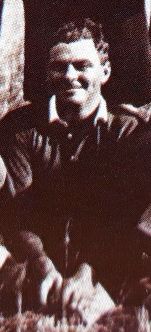
Birth Date: 27 Sep 1888 Penryn, Cornwall
Death Date: 18 Dec 1964 Nairobi
First Date: 1912
Last Date: 1964
Profession: Engineer of Nyali Sisal Estate, Manager Kakuzi Fibrelands Ltd., Board of Agriculture
Area: 1925 Chania Bridge, 1930 Kakuzi, Mitubiri, 1937 Muhuro Bondeni Farm Mweiga
Married: In Melton Mowbray 3 Jan 1921 Ethel Mabel Arnold b. 24 Dec 1892 Blisworth, Northants., d. 6 Mar 1982 Leamington Spa
Children: Helen Josephine (Glass) (27 June 1923 Rhodesia-2006); James William Arnold (16 Dec 1926 Nairobi, went to Australia, d. 13 Jan 2013)
Book Reference: Gillett, Red 25, Red 31, Hut, Legion, Barnes, Red 22, Gazette
War Service: With 4/KAR from 1914/18, also served in WW2, Captain, 1914-18
School: Engineer apprentice with Ruston Hornsby in Grantham
General Information:
Red 22 - Justice of the Peace - Fort Hall District
Gazette - 29/10/1919 - Register of Voters - Ukamba Area - James Parminter Hearle - Engineer, Athi River
Hut - partner with Sharpe
Gazette 6 Dec 1938 Ukamba Voters List
Langata cemetery, Nairobi James Parminter d. 18 Dec 1964, Nairobi Hosp. - in loving memory / of / J P Hearle O.B.E. / "Jimmy" / died 18th Dec 1964
Gazette 19 Oct 1965 probate
Rugby player, past President Nairobi Club
Old Africa no. 125, June-July 2026 Jimmy Hearle by Carolyn Weller: He was asked to take two oil engines out from England to Nyali Sisal Company in Kenya in 1913. When he delivered them Rodseth, the manager at the estate, offered him the job of engineer on the estate. In 1914 he enlisted and his first duty was to guard the original railway bridge that linked Mombasa Island with the mainland. He filled the pylons with concrete to prevent sabotage by German spies. He subsequently returned to England to join the Royal Engineers but was soon dispatched back to Kenya as he was able to speak Swahili and knew the terrain, so he was seconded to the 4th KAR. He participated in the Tanganyika campaign. After the war he was offered a position as engineer at Kinani, a sisal estate approximately 25 miles southeast of Nairobi, owned by Hiram Craven and Ewart Grogan and managed by Eric Burrows. He stayed there for about two years. Craven bought Kakuzi, a coffee farm in the Ithanga Hills 50 miles north-east of Nairobi and asked Hearle to manage the farm. Hearle took two steam engines, named Sylvia and Edith, to the farm and ploughed the land to plant sisal. He was accompanied by Tom Berrett. Kakuzi started to expand and Hearle bought the nearby farm called Kituamba from Eric and Alec Lindsay which already had an established sisal plantation and factory. In 1926 Hearle built a water turbine powerhouse on the Thika River. He dug a channel about one mile long which diverted the water from the river towards large pipes which fed the water into the turbines. He planted sisal at Kakuzi and another property called Kitito was purchased and planted with sisal. Eric Burrows managed this farm. Other properties around were also bought.
At the outbreak of World War 2 Hearle was made district commandant with headquarters at Thika Club and was responsible for guarding all the bridges and power stations in the district from Fort Hall to Ruiru. He was elected to the post of officer commanding details in Nairobi for approximately one year and then he went to Gilgil as second in charge of the prisoner of war camp. Afterwards he was promoted to lieutenant colonel and took charge of the prisoner of war camp. From there during the war he also purchased his own dairy and mixed farm at Mweiga near Nyeri of about 600 acres. The house was constructed by Italian prisoners of war. After the war he returned to Kakuzi in 1946 to rebuild the estate as all the European managers had joined the army during the war. He became increasingly interested in politics. In 1950 Kakuzi Fibrelands became a public company and was listed on the London Stock Exchange. Hearle became chairman-director of the company. He held every major office within the Kenya Sisal Growers' Association and the Kenya Sisal Board from 1920s through to the 1950s and he was a visiting agent to many plantations. He retired as managing director of Kakuzi Fibrelands in 1963 and went to live on his farm Bondeni. His farm was divided into small plots and handed over to Africans at Independence. He moved to South Africa near Port Sheptone. He died suddenly from a burst peptic ulcer on 18 December 1964 when visiting his daughter in Kenyaand was buried at Langata cemetery.
Back to search results