
View entry
Name: WYNNE-EYTON, Charles Sandford 'Sandy' DSO (Wing Commander)
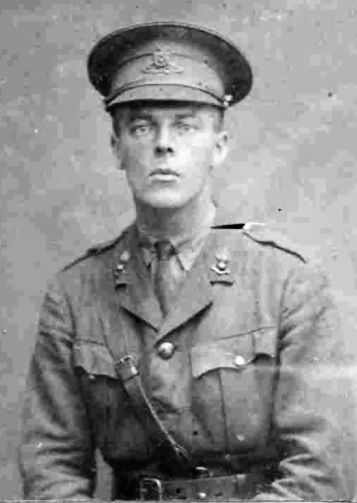
Birth Date: Oct 1888 Mold, N. Wales
Death Date: 14 Nov 1944 over France, on active service, as a pilot
Last Date: 1944
Profession: Farmer, Timau
Area: Nanyuki, Timau
Married: 1. In Paddington 22 Oct 1916 Selina Frances Carbutt b. 21 Jan 1898 Paddington, d. 1982 Colchester; 3. In Nairobi 14 Nov 1934 Helen Silver 'Silver Jane' née Blandy-Jenkins b. 1894 Kingston Bagpuize, Berks., d. 5 Nov 1955 Kensington (prev. m. in Chelsea 1914 Stephen William Hampden Silver 1886-1934 and m. 1947 David Christie-Miller 1918-2010)
Children: Charles Sandford (1938 Lambeth-2013)
Book Reference: CWGC, Fleming, Aero, DSO, Campling, Air
War Service: 2nd Lieut. RFA; RAF in WW2
General Information:
Fleming - The C.O. of 267 squadron was a well-known pilot in Africa by the name of "Sandy" Wyne-Eaton [sic] (then Wing-Commander, DSO). He was a last war pilot, who had carried on civil flying without a break right up to 1939, and then come back into the RAF. He was the exception to the rule of age versus flying; he was over 50 years old (although he said he was only 40) and was probably the most experienced pilot in the Middle East, with over 11,000 hours on 147 types of aircraft, and could jump into any new type of aircraft (from German ME 109F to the latest type of RAF bomber) and fly them perfectly. He looked very much less than his age, was of average height, slim, clean shaven, very blue eyes, very sunburnt and weather-beaten and most energetic. He was a non-smoker, but ate endless sweets instead. He claimed to be married to flying, and nothing would make him give it up, he even refused promotion because it would have been the end of an active flying job. His wife, Jane, was also a well-known pilot in Africa
Aero - Roll of Honour for World War Two, 1939-45 - W/Comdr. C.S. Wynne Eyton DSO, AFC
Campling - 1933 - Kenya's first air force unit as a unit of the KDF under Squadron-Leader S. Wynne-Eaton
Air - Royal Aero Club Aviator's Certificate No. 1553 dated 9 Aug 1915 - L & P Biplane, London & Provincial School, Hendon
CWGC - Wing Commander 09186, Royal Air Force who died on Tuesday, 14th November 1944. Age 56. Choloy War Cemetery, Meurthe-et-Moselle, France. Grave Ref: 2A A 9.
Also Roll of Honour Board - Nanyuki Sports Club
Gazette 6 Dec 1938 Aberdare Voters List has Wynne-Eyton
Gazette 19 Dec 1944 probate
1927 left RAF to become tobacco planter in Rhodesia. Helped pioneer Kenya-Salisbury route. 1929 joined Wilson Airways in Nairobi. https://www.bmmhs.org/the-letcombe-lion/ Charles Sandford Wynne-Eyton (known as Sandy) who was born on 22nd October 1889 at Mold Flintshire was the son of Charles Edward Wynne-Eyton and his first wife Aline Mary (née Wills). Joining the Royal Field Artillery on the outbreak of WW1, Sandy went to France in February 1915 to serve with 127 Battery Royal Field Artillery as a 2ndLieutenant. It was whilst observing for them near Ypres on the 24th May 1915, that a shell burst close to him burying him in some sandbags and removing his gas mask resulting in him being gassed. As a result he was incapacitated for the next three months.On recovery Sandy decided to join the Royal Flying Corps as a pilot and by the 30th December 1915 he was a Captain and flight commander in No 2 Squadron RFC flying amongst other aircraft the BE2. Later he was appointed a Major in command of a RFC Training Camp in England. On October 24th 1916, in London, Sandy Wynne-Eyton married his first wife, Frances Carbutt who in WW2 became a senior WAAF officer at Technical Training Command.
By the end of the war, Sandy had been mentioned in despatches twice and awarded the DSO in the 1918 New Year Honours List. Remaining in the RAF post-war he served in Ireland in the early 1920s and then went to India to command no 28 Squadron RAF.
By the end of the war, Sandy had been mentioned in despatches twice and awarded the DSO in the 1918 New Year Honours List. Remaining in the RAF post-war he served in Ireland in the early 1920s and then went to India to command no 28 Squadron RAF.
Then in 1927 he left the RAF to become a tobacco planter in Rhodesia. However Sandy kept his flying activities going as he became the first flying instructor in Rhodesia, where he had gained the nickname Moth-Eyton. He was a founder member of the Salisbury Light Plane Club (in Rhodesia)in 1929 and helped to pioneer the Kenya to Salisbury route in a DH60 Cirrus Moth the same year before leaving to join Wilson Airways in Nairobi where he met Helen . In 1930, Sandy Wynne-Eyton made an attempt to cross the Atlantic emulating Charles Lindberg’s lone flight across the ocean. Taking off in his Puss Moth from St John’s Newfoundland, unfortunately shortly after take off, the engine failed and the aircraft crashed to the ground bursting into flames. Sandy was rescued severely injured. On recovery from this gallant attempt, Sandy returned to Kenya.
It was here that subsequent to his own divorce, that he and Helen married. The couple started a flying business in East Africa delivering the mail and transporting passengers. On the outbreak of WWII, the couple offered their airline to the RAF. Aircraft and pilots were accepted and Sandy Wynne-Eyton was re-appointed Squadron Leader, whilst an order was put through giving his wife the rank of Sergeant pilot.
Sandy left Kenya and by October 1940, he was based at RAF Heliopolis with 267 Squadron eventually becoming its CO and promoted to Wing Commander. 267 Squadron was a transport squadron for operational duties in Egypt. In August 1942, operations extended to transport throughout the Mediterranean area and it also undertook supply-dropping missions to resistance fighters in Italy and the Balkans. Notable flights for Sandy at this time included him flying Air Marshal Tedder from Cyprus to Helopolis in a Lodestar and Field Marshal Smuts on another trip. He also flew the Hon Mr Saw (Burmese Prime Minister) on a Middle East and South African tour. In July 1942 Sandy was posted to 163 Squadron as their CO and then returning back to 267 Squadron. In February 1943 he was posted to HQ RAF Middle East (later to become the Mediterranean Allied Air Force). During WW2 Wing Commander Wynne-Eyton was mentioned in despatches twice more and in June 1944 awarded the Air Force Cross (AFC). It is not clear from Sandy Wynne-Eyton’s service record, his movements between February 1943 and November 1944 but it is probable that due to his long flying experience (over 1000 hours) he had become the pilot of choice for flying VIP’s around at this time.
In any event, Sandy Wynne-Eyton was the pilot of Liberator AL584 which took off from Algiers bound for Paris with four other crew members and six passengers on 14th November 1944. The passengers included Air Vice Marshal G G Dawson (responsible for logistical support services in the Middle East), Group Captain E H MacDonald (CO of 144 Maintenance Unit – to which the plane belonged), Captain Jean Schneider and his wife Francoise and Andre Calmels a French Engineer. Jean Schneider was part of the French industrial dynasty whose factories had been used for German war production and had recently been bombed so there is a suspicion about what happened next. The aircraft crashed with no survivors at Saint Prix near Le Creusot very near to one of the Schneider factories. Had there been a request to the pilot to fly nearby to view any damage? One will never know. The causes of the crash are given as: ‘flew into a mountain in snowstorm near Autun’ – also there is the hypothesis of the bad setting of the altimeter is advanced’. The RAF servicemen were eventually buried at Choloy Military Cemetery near Nancy.
It was here that subsequent to his own divorce, that he and Helen married. The couple started a flying business in East Africa delivering the mail and transporting passengers. On the outbreak of WWII, the couple offered their airline to the RAF. Aircraft and pilots were accepted and Sandy Wynne-Eyton was re-appointed Squadron Leader, whilst an order was put through giving his wife the rank of Sergeant pilot.
Sandy left Kenya and by October 1940, he was based at RAF Heliopolis with 267 Squadron eventually becoming its CO and promoted to Wing Commander. 267 Squadron was a transport squadron for operational duties in Egypt. In August 1942, operations extended to transport throughout the Mediterranean area and it also undertook supply-dropping missions to resistance fighters in Italy and the Balkans. Notable flights for Sandy at this time included him flying Air Marshal Tedder from Cyprus to Helopolis in a Lodestar and Field Marshal Smuts on another trip. He also flew the Hon Mr Saw (Burmese Prime Minister) on a Middle East and South African tour. In July 1942 Sandy was posted to 163 Squadron as their CO and then returning back to 267 Squadron. In February 1943 he was posted to HQ RAF Middle East (later to become the Mediterranean Allied Air Force). During WW2 Wing Commander Wynne-Eyton was mentioned in despatches twice more and in June 1944 awarded the Air Force Cross (AFC). It is not clear from Sandy Wynne-Eyton’s service record, his movements between February 1943 and November 1944 but it is probable that due to his long flying experience (over 1000 hours) he had become the pilot of choice for flying VIP’s around at this time.
In any event, Sandy Wynne-Eyton was the pilot of Liberator AL584 which took off from Algiers bound for Paris with four other crew members and six passengers on 14th November 1944. The passengers included Air Vice Marshal G G Dawson (responsible for logistical support services in the Middle East), Group Captain E H MacDonald (CO of 144 Maintenance Unit – to which the plane belonged), Captain Jean Schneider and his wife Francoise and Andre Calmels a French Engineer. Jean Schneider was part of the French industrial dynasty whose factories had been used for German war production and had recently been bombed so there is a suspicion about what happened next. The aircraft crashed with no survivors at Saint Prix near Le Creusot very near to one of the Schneider factories. Had there been a request to the pilot to fly nearby to view any damage? One will never know. The causes of the crash are given as: ‘flew into a mountain in snowstorm near Autun’ – also there is the hypothesis of the bad setting of the altimeter is advanced’. The RAF servicemen were eventually buried at Choloy Military Cemetery near Nancy.